Act I
The old man’s shoes were the first thing Carter Blake noticed.
Not his suit. Not the neat navy tie. Not the wire-rimmed glasses sitting low on his nose. The shoes.
They were black leather, once expensive, now worn almost white at the tips. The left toe was scuffed deeper than the right, as if the man had dragged it across too many pavements, train platforms, and hospital corridors over too many years.
Carter looked down at them from seat 2A and smiled.
It was not a kind smile.
The elderly gentleman paused in the aisle with a boarding pass in one hand. He was in his late seventies, silver hair combed back, charcoal suit pressed but old, posture straight in the way some men carried themselves long after their bodies asked them not to.
He looked around the first-class cabin.
Warm lights glowed above beige leather seats. Dark wood panels curved along the cabin walls. Champagne glasses waited on tray tables. Every passenger seemed expensive, efficient, polished.
Except him.
Carter removed one white earbud and leaned back from his laptop.
“Wrong cabin, buddy.”
The words floated into the quiet cabin with just enough volume to be heard by everyone nearby.
A woman across the aisle glanced up, then looked quickly down.
The old man turned.
His face did not change. Not anger. Not shame. Only the calm patience of someone who had heard worse and survived it.
Carter nodded toward the curtain behind him.
“Economy’s back there.”
The flight attendant stepped in before the silence could harden.
She was poised, graceful, hair braided into an intricate bun, navy uniform immaculate, teal scarf folded perfectly at her throat. She took the boarding pass from the old man with both hands.
For a second, her eyes flicked to the name.
Then something changed.
Her expression warmed instantly, but not with customer-service politeness.
With recognition.
“Sir,” she said softly, “first class is this section. Right this way.”
The old man accepted the boarding pass back.
“I know.”
His voice was quiet. Firm. Almost amused.
Carter’s smirk twitched.
The attendant guided the old man into seat 1A, directly in front of him. The elderly gentleman lowered himself into the wide leather chair, fastened his seatbelt with a clean metallic click, then turned his face toward the window.
Outside, sunlight flashed across the wing.
Carter shook his head and muttered, “Must be someone’s lucky day.”
The old man did not answer.
The flight attendant heard.
Her jaw tightened, but she kept walking.
The cabin settled again. Laptops opened. Phones dimmed. Expensive people returned to expensive silence.
Then the intercom chimed.
“Good morning, folks,” the captain’s voice boomed through the cabin. “This is your captain speaking. Today we have the honor of welcoming a very special guest on our flight.”
Carter’s fingers froze above his keyboard.
The old man kept looking out the window.
And the captain said the name that made every head in first class turn.
Act II
“Captain Henry Whitaker is with us today.”
The cabin changed.
It was subtle at first. A few people sat straighter. The flight attendant near the galley lowered her eyes with a small smile. An older passenger in 3C whispered, “My God.”
Carter looked from the ceiling speaker to the old man in 1A.
The captain continued.
“Fifty-two years ago, Captain Whitaker flew Meridian Air’s first transatlantic route. Twenty-eight years ago, he brought Flight 706 home safely after an engine failure over the North Atlantic. Many of us became pilots because of him. Sir, from all of us on the flight deck, welcome aboard.”
Applause began in the back of first class.
Then grew.
Even passengers who had no idea who Henry Whitaker was joined because the reverence in the captain’s voice told them enough.
The old man turned from the window and gave the smallest nod.
Not proud.
Almost embarrassed.
Carter felt heat climb his neck.
Captain Henry Whitaker.
The name lived somewhere in the back of his memory. An airline documentary. A framed photograph in an airport lounge. A case study about crisis leadership used in executive training.
Carter’s laptop screen still showed the presentation he had been polishing for three weeks.
Passenger Value Optimization: A New Era of Premium Customer Profiling.
He was flying to London to pitch Meridian Air’s board on a system his company had built. The software promised to rank passengers by spending potential, loyalty status, social influence, and visual indicators of “premium alignment.”
Visual indicators.
That phrase had sounded brilliant in the slide deck.
Now it tasted rotten.
Carter glanced at the old man’s scuffed shoes.
The applause faded.
The flight attendant returned to 1A and leaned down.
“Captain Whitaker, it’s truly an honor.”
Henry smiled gently. “You’re very kind.”
“My father keeps your book on his nightstand,” she said. “He was a mechanic at Newark when you were still flying.”
“Then your father did the important work,” Henry replied. “Pilots get applause. Mechanics get us home.”
The attendant’s eyes shone.
Carter heard every word.
He put his earbud back in, then removed it again. The silence in his own head had become too loud.
Behind him, someone whispered, “That’s him?”
Another voice answered, “I heard he refused corporate security. Said he still knew how to find a seat.”
Henry reached down and adjusted one worn shoe.
Carter looked away.
But embarrassment was not the same as remorse. Not yet.
He told himself he could not have known. Anyone would have assumed. The man looked out of place. First class had standards. There was nothing wrong with noticing.
Then Henry spoke without turning around.
“Young man.”
Carter looked up.
The old captain’s gaze reflected faintly in the window.
“Next time you judge a passenger by his shoes,” Henry said, “make sure you know where they’ve been.”
Carter opened his mouth.
No answer came.
The plane began rolling back from the gate.
And before it even left the ground, Carter Blake understood that the longest flight of his life had just begun.
Act III
Henry Whitaker had worn those shoes the day he lost his son.
No one in first class knew that.
They knew the public version of him. The legend. The calm voice in a storm. The pilot who once landed a damaged aircraft in freezing rain with half the instruments gone. The man who testified before Congress about safety reforms. The mentor whose training protocols shaped an entire generation of commercial pilots.
They did not know the shoes.
His wife, Eleanor, had bought them in 1979 after his first promotion to international captain. Henry had complained they were too expensive. She had laughed and told him that if he insisted on carrying hundreds of souls across oceans, he could at least look like a man she trusted with dinner reservations.
He wore them on their anniversary.
He wore them to his daughter’s graduation.
He wore them the day his son Daniel, also a pilot, earned his wings.
And he wore them to Daniel’s funeral.
After that, Henry stopped buying new shoes.
People called it stubbornness. His daughter called it grief. Henry called it remembering.
Daniel had not died in a crash. He died from a failure quieter than machinery.
A corporate cost-cutting decision. A maintenance warning dismissed as “noncritical.” A regional carrier trying to protect schedules, bonuses, and public confidence. Daniel had refused to fly the aircraft. He filed the report. He pushed. He became inconvenient.
Three weeks later, his contract was terminated.
Six months later, under pressure and shame, he took a job with a smaller cargo outfit that pushed him even harder.
The accident report said weather.
Henry read the whole file.
Weather had been there.
So had exhaustion.
So had greed.
After Daniel died, Henry became the kind of man powerful executives hated: retired, respected, wealthy enough not to be bought, grieving enough not to be frightened.
He spent the next twenty years building the Whitaker Foundation for Flight Safety. It funded whistleblower protection, pilot mental health programs, maintenance transparency, and scholarships for mechanics’ children.
Meridian Air invited him every year to speak at ceremonies.
Most years, he declined.
This year was different.
A confidential letter had arrived from a Meridian employee in London.
The board was considering a new passenger profiling system, one that would quietly empower staff to treat people differently before they ever spoke. Not just by ticket class or loyalty status, but by appearance, clothing, accent, age, assumed wealth.
The letter included a line from an internal memo.
Premium experience begins with recognizing premium people.
Henry had stared at that sentence for a long time.
Then he booked his own flight.
No assistant.
No security.
No special escort.
Seat 1A, paid like everyone else.
He wore the old shoes deliberately.
Not to test the airline exactly.
To test the culture growing around it.
Carter Blake had failed in under five seconds.
Now, somewhere above the Atlantic, with the cabin lights dimmed and most passengers pretending to sleep, Henry opened the leather folder on his lap.
Inside was Carter’s proposal.
Not the public version.
The internal one.
The one with risk categories, behavioral scoring, and a slide titled Visual Markers of High-Value Travelers.
Henry read silently.
Behind him, Carter watched the old man turn each page.
And with every page, the young businessman felt the future he had built begin to come apart.
Act IV
Carter lasted forty minutes.
Then he unbuckled his seatbelt and stepped into the aisle.
“Captain Whitaker?”
Henry looked up.
Carter lowered his voice. “May I speak with you?”
The old man closed the folder.
“That depends.”
“On what?”
“Whether you’ve come to apologize or explain.”
Carter flushed.
Across the aisle, the flight attendant pretended to adjust a service cart.
Carter knew she was listening.
“I shouldn’t have said what I said,” he began.
“No.”
The word was quiet, but it stopped him.
Henry removed his glasses.
“You’re starting with the sentence that protects you. Try the one that tells the truth.”
Carter’s throat tightened.
He looked down at the scuffed shoes again, then forced himself to look at Henry’s face.
“I looked at you and decided you didn’t belong here.”
Henry waited.
Carter swallowed.
“And I wanted you to know I belonged.”
The old man studied him for a moment.
That was the first honest thing Carter had said all morning.
Henry gestured to the empty seat beside him.
Carter sat.
He felt like a schoolboy brought before a headmaster, which irritated him until he realized the irritation was only shame looking for somewhere to hide.
Henry placed the proposal between them.
“Is this yours?”
Carter’s face went still.
“You’ve seen it.”
“I have.”
“It’s not what it sounds like.”
Henry raised an eyebrow.
Carter stopped.
There it was again. The instinct to explain before confessing.
He exhaled slowly.
“Yes. It’s mine.”
“Premium alignment,” Henry said.
Carter winced.
“That language came from our branding team.”
“Did they also write ‘travelers displaying low-status indicators may require preemptive service boundary management’?”
Carter closed his eyes.
“No.”
“You wrote that?”
“Yes.”
Henry looked toward the cabin.
A sleeping woman had removed her heels and tucked her feet beneath a blanket. A man in an expensive watch snored softly with his mouth open. A child in the front row held a stuffed rabbit against her cheek.
“Tell me,” Henry said, “what does a low-status person look like?”
Carter did not answer.
Henry leaned back.
“My father was a janitor at LaGuardia. My mother cleaned hotel rooms near Queens Boulevard. First time I flew, I wore a borrowed jacket and shoes with cardboard inside the soles.”
Carter stared at the carpet.
“The gate agent moved me aside three times because she assumed I was lost,” Henry continued. “A pilot saw it. Captain Samuel Reyes. He walked over, took my ticket, and said, ‘Mr. Whitaker, we’ve been waiting for you.’”
His voice softened.
“I became a pilot because one man chose to see a passenger before he saw a poor kid in bad shoes.”
Carter said nothing.
Henry tapped the folder.
“Your system teaches people to do the opposite faster.”
Carter’s mouth went dry.
“It’s data-driven.”
“So was every bad policy ever dressed up well enough.”
The words hit with more force because Henry did not raise his voice.
Carter looked toward his laptop, still open at his seat. The deck had seemed so clean this morning. So innovative. So profitable.
Now he saw the old man at the aisle.
Wrong cabin, buddy.
He saw himself, not as ambitious, but small.
The flight attendant approached then, expression carefully controlled.
“Captain Whitaker,” she said, “the flight deck asked whether you’d be willing to say a few words before landing. The crew would be honored.”
Henry looked at Carter.
Then at the proposal.
“I think,” he said, “Mr. Blake should hear them too.”
Carter felt his stomach drop.
The flight attendant nodded.
And somewhere above the clouds, the old captain prepared to tell the truth in a cabin built for people who usually paid not to hear it.
Act V
Two hours before landing, the intercom chimed again.
This time, it was not the captain.
It was Henry Whitaker.
“Ladies and gentlemen,” he began, voice aged but steady, “forgive the interruption. I’ve been asked to say a few words, and at my age, one learns to accept a microphone whenever offered. It may not happen again.”
Soft laughter moved through the cabin.
Carter sat rigid in 2A.
Henry continued.
“I have spent most of my life in airplanes. I have sat in cockpits, jump seats, economy rows, broken airport chairs, and once, for nine unpleasant hours, on a crate of oranges in a cargo hold during a military evacuation.”
More laughter, warmer now.
“But I learned early that a cabin is a strange and sacred place. For a few hours, strangers trust one another with their lives. The person beside you may be rich or broke, grieving or celebrating, terrified or going home after thirty years away.”
The cabin quieted.
“You cannot know their story from their shoes.”
Carter closed his eyes.
Henry’s voice grew softer.
“You cannot know their worth from their seat. And if you work in this industry, you must never forget that every passenger is more than the assumptions we make when we are too lazy to be decent.”
No one moved.
The flight attendant stood near the curtain, eyes bright.
Henry paused.
“I have been treated with great kindness on this flight. I have also been reminded why kindness must be taught before procedure. To the crew, thank you. To the passengers, safe travels. And to anyone who has ever been made to feel they entered the wrong cabin, I hope someone tells you what Captain Reyes once told me.”
His voice caught, just slightly.
“We’ve been waiting for you.”
The intercom clicked off.
For several seconds, the cabin was silent.
Then applause rose.
Not polite applause this time.
Real applause.
Carter did not clap at first.
His hands felt heavy.
Then he did.
Slowly.
Shamefully.
Honestly.
When the plane landed in London, passengers stood in the aisle, pretending not to stare as Henry gathered his old leather bag. The flight attendant helped him with his coat. Carter remained seated until the crowd thinned.
Finally, he stood.
“Captain Whitaker.”
Henry turned.
Carter held out the printed proposal.
“I’m withdrawing it.”
Henry looked at the pages, then at him.
“Are you?”
“Yes.”
“Because you were embarrassed?”
Carter breathed in.
“At first.”
Henry waited.
Carter forced himself not to look away.
“Now because it’s wrong.”
That answer seemed to satisfy the old man more than the apology had.
“What will you tell your investors?”
“The truth.”
Henry gave a faint smile. “That tends to be expensive.”
“I think I can afford it.”
Henry glanced at his shoes.
“Careful. People may judge what you can afford.”
Carter almost laughed, but the emotion caught somewhere in his throat.
“I’m sorry,” he said.
Henry nodded.
“I know.”
Not forgiveness.
Not yet.
But not rejection either.
In the terminal, Meridian Air executives waited with cameras, handshakes, and a polished welcome speech. Henry endured all of it with the patience of a man who had survived worse than ceremony.
Carter watched from a distance.
He had expected to walk into the London boardroom as a young genius selling the future of luxury travel. Instead, he walked in three hours later and dismantled his own pitch.
The board was not pleased.
Investors were furious.
His partners called him reckless.
One called him weak.
But the story from the flight had already begun moving through Meridian’s internal channels. The flight attendant’s report. The captain’s announcement. The old man’s speech. Carter’s insult. Carter’s withdrawal.
By the end of the week, Meridian canceled the profiling pilot.
By the end of the month, Henry Whitaker announced a new partnership: a passenger dignity initiative built around training, complaint accountability, and the radical idea that service should begin before judgment.
The surprise came when he asked Carter to help write it.
Carter stared at him across the foundation office.
“You want me?”
“No,” Henry said. “I want the man you might become if you stop worshiping the one you were trying to be.”
That was how Carter Blake began again.
Not cleanly.
Not instantly.
People did not forget the video a passenger had quietly taken of him saying, “Wrong cabin, buddy.” It circulated online for a while, stripped of context, then overloaded with it. He lost clients. He gained critics. He deserved many of them.
But he did the work.
He visited training centers. Listened to passengers who had been dismissed, mocked, moved, watched, questioned, ignored. He sat with gate agents who admitted they had been taught to make fast judgments under pressure. He rewrote policies that had once sounded efficient and now sounded cruel.
Henry made him read every complaint.
Every single one.
“You can’t repair what you refuse to look at,” the old captain said.
A year later, Carter boarded another Meridian flight.
Economy, this time.
Not as punishment. By choice.
He wore a simple jacket and carried no laptop. Across the aisle, a young man in a stained work shirt sat stiffly, gripping his boarding pass like it might be taken from him. His boots were muddy. His eyes moved anxiously whenever a crew member passed.
The passenger beside him sighed loudly and shifted away.
Carter felt the old instinct rise.
Judgment, fast and poisonous.
Then he saw Henry’s shoes in his mind.
Scuffed toes. Old leather. A lifetime hidden in plain sight.
Carter leaned across the aisle.
“First time flying?” he asked.
The young man nodded, embarrassed.
“My daughter’s in a hospital in Boston,” he said. “They moved her surgery up. I came straight from work.”
Carter’s throat tightened.
He smiled gently.
“Then I’m glad you made it.”
The young man looked surprised by the kindness.
So had Henry, once, long ago, when a pilot called him by name.
Months later, Henry Whitaker passed away in his sleep at eighty-one.
At his memorial, the shoes were placed beside his photograph.
Not polished.
Not replaced.
Just cleaned, carefully, the scuffs left visible.
His daughter said he would have wanted it that way.
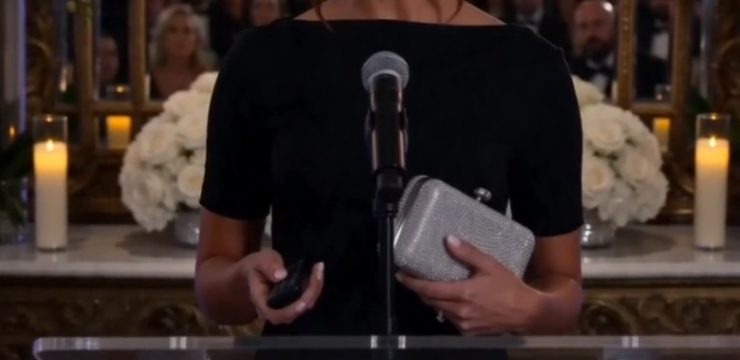
Carter stood at the back of the chapel, listening as pilots, mechanics, flight attendants, executives, and passengers told stories of the old man who made them feel seen.
When it was his turn, Carter almost refused.
Then he walked to the front.
“I met Captain Whitaker because I insulted him,” he said.
A quiet ripple moved through the room.
“I judged him by his shoes. He judged me by what I did next.”
He looked at the photograph.
“I’m still trying to deserve that.”
Years later, Carter would tell the story often, especially to young executives eager to build systems that made old prejudices look modern. He would tell them about the first-class cabin, the scuffed shoes, the intercom announcement, and the old captain who did not need to raise his voice to change the direction of a life.
And every time he flew, Carter looked at people’s shoes.
Not to measure their worth.
To remind himself that everyone was carrying a road he had not walked.